

uPVC vs Standard Sliding Doors: Which Performs Better?


Many Melbourne homeowners upgrade their windows but overlook one of the biggest sources of heat loss, drafts, and noise: sliding doors.
Used daily and exposed to the elements, they play a major role in year-round home comfort.

If you’re comparing uPVC sliding doors with standard aluminium sliding doors, the key differences come down to insulation, comfort, noise, sealing, durability, and long-term performance.
Here’s a clear, research-backed guide to help you understand the real differences.
🤔 What Makes uPVC Different?
uPVC (unplasticised PVC) is a low-conductivity frame material designed for insulation and stability. The frame is built with multi-chamber internal profiles, which help reduce heat transfer and improve overall comfort.
By comparison, standard aluminium is naturally conductive. It allows outside temperatures to transfer through the frame more easily.
In simple terms:
- uPVC is built for comfort and insulation.
- Aluminium is built for strength and slim sightlines.

📊 Energy Efficiency (and Why Search Interest Is Rising)
Google Trends has shown a clear rise in interest for double glazed windows over the past year and that same demand extends to double glazed sliding doors and uPVC sliding doors.

🤔 How About Energy Performance?
uPVC Benefits
- Naturally insulating material.
- Multi-chamber profile reduces heat transfer.
- Better sealing potential with quality gaskets.
- Minimises drafts and cold spots.
Standard Aluminium
- Strong and lightweight.
- Requires thermal breaks to compete with uPVC on insulation.
- Non-thermally-broken frames can feel cold and contribute to condensation.
If your goal is improving efficiency and making your home feel more stable through Melbourne’s winter and summer extremes, uPVC paired with double glazing is generally the stronger performer.

🔊 Noise Reduction
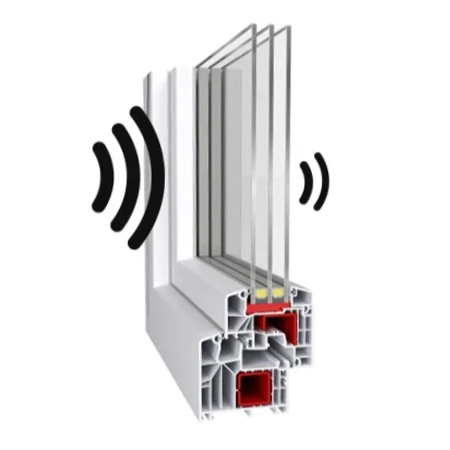
uPVC is widely chosen for its excellent noise-reduction performance. While glazing plays a major role in acoustic control, the frame design and airtight sealing of uPVC systems are critical advantages that significantly reduce sound transmission.
Why uPVC performs so well acoustically:
- Thicker, multi-chambered frames that absorb and dampen sound.
- High-compression seals that block noise at entry points.
- Multi-layer construction that disrupts sound waves.
- Exceptional airtightness, minimising sound carried through air gaps.
When properly installed and paired with the right glazing, a uPVC sliding door can dramatically reduce outside noise, making a noticeable difference in homes near main roads or in busy Melbourne suburbs.
🔒 Security & Multi-Point Locking
Sliding doors depend on several key components working together for reliable security and smooth operation:
- Robust locking hardware.
- High-quality rollers.
- A well-designed track system.
- Strong, stable frames that stay aligned over time.
✅ Why uPVC systems excel:
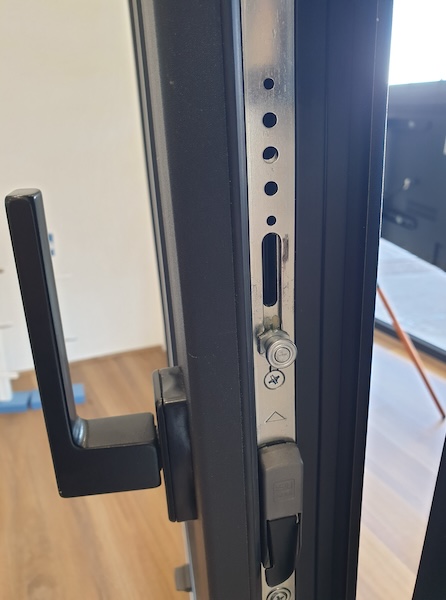
- Engineered multi-point locking for enhanced security.
- Secure, pressure-tight seals that prevent rattling and forced movement.
- Excellent long-term frame stability when installed by a professional.
Standard aluminium is strong and works well for wide, modern openings, but its slimmer profiles can introduce more flex and small gaps over time, especially if rollers wear or alignment shifts. uPVC’s thicker, reinforced construction offers a noticeably more rigid and secure feel, particularly for everyday use.
👉 Cost Over Lifespan (Long-Term Value)
When comparing uPVC and aluminium, the real difference shows up over time. uPVC delivers stronger long-term comfort and efficiency, not just a lower maintenance load.
uPVC Value Advantages
- Excellent insulation that reduces heating and cooling costs.
- No corrosion and minimal maintenance.
- Better condensation control.
- Reliable long-term weather resistance.
Standard Aluminium Value Points
- Slim sightlines for more natural light.
- Strong structural performance.
- Common choice for wide openings.
Both materials last, but uPVC provides noticeably better thermal comfort and day-to-day efficiency, giving you greater value over the lifespan of the door system.

🤔 Which Option Is Best for Your Home?
Choose uPVC sliding doors if you want:
- Better insulation and fewer drafts
- A noticeably quieter home
- Reduced condensation
- Reliable thermal performance without extra upgrades
- A comfort-focused door system that performs year-round
Choose standard aluminium sliding doors if you want:
- Slim, modern sightlines
- Very wide panels for large openings
- A familiar look that suits existing frames
- A strong architectural aesthetic
Both options work, but uPVC is the better choice for comfort, quietness, and everyday energy efficiency, especially in Melbourne’s changing climate.

Conclusion
uPVC sliding doors consistently deliver stronger everyday performance, better insulation, quieter living, reduced condensation, and long-term comfort that aluminium simply can’t match. While aluminium suits ultra-slim, architectural designs, uPVC is the clear winner for Melbourne homeowners who prioritise warmth, noise control, and efficiency.
Double glazing takes this even further, giving you a noticeably more comfortable home in every season. And with proper installation, a uPVC system will stay aligned, airtight, and reliable for years.
If long-term comfort, energy savings, and overall livability matter most, uPVC sliding doors are the better choice.