
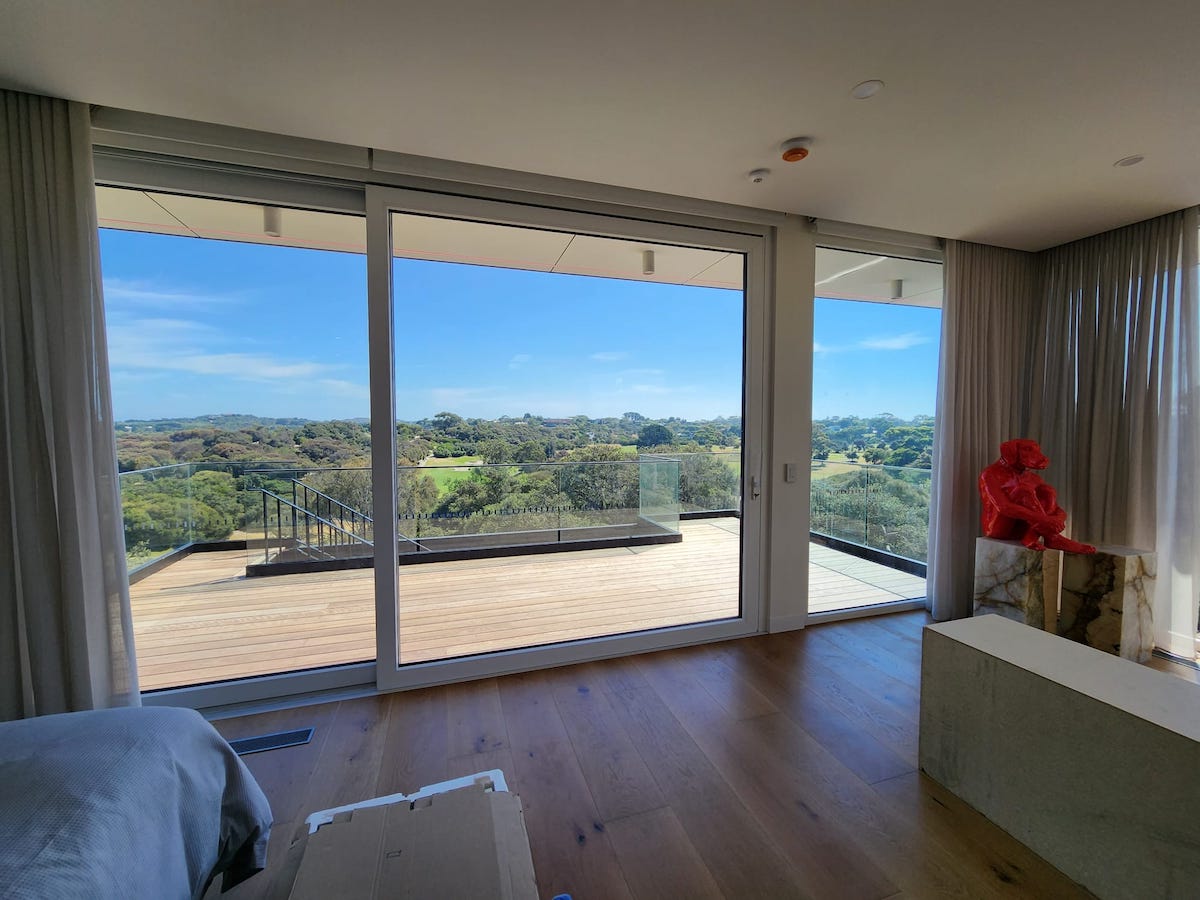
Are uPVC Windows a Good Choice for Coastal Homes in Melbourne?


Living near the coast comes with plenty of appeal, but it also brings specific considerations when choosing building materials. Salt-laden air, wind and moisture can affect exterior components over time, making window selection an important part of planning a coastal home.
For homeowners considering uPVC windows for coastal homes in Melbourne, the frame material, glazing, hardware and installation all deserve attention. The right combination can help create a comfortable home while reducing some of the ongoing maintenance associated with exposed window frames.
1. Consider How Salt Air Affects Window Materials
Coastal environments can be demanding on exterior building materials. Salt deposits and moisture may contribute to corrosion on exposed metal components, particularly where maintenance is overlooked.
Unlike metal window frames, uPVC does not rust. This makes it an option worth considering for coastal properties, although the complete window system still matters. Hardware, locks, fixings and other components need to be suitable for the conditions in which they will be installed.
When comparing coastal windows in Melbourne, ask about the materials used throughout the entire window assembly, not just the frame.
2. Look Beyond the Frame: Glazing Matters Too
Coastal homes can experience strong winds, changing temperatures and exposure to outdoor noise. Double glazing can help improve indoor comfort by reducing heat transfer through the window compared with standard single glazing.
The right glazing specification depends on the property, its orientation and the conditions around it. A home facing an exposed coastline may have different requirements from one situated several streets inland.
You can explore how glazing performance is assessed in our guide to WERS window ratings.
3. Choose Windows That Suit Your Coastal Lifestyle
Window design should work with the way you use each room. For example:
- Living areas: Large fixed or corner windows can make the most of views and natural light.
- Bedrooms: Tilt and turn windows offer flexible ventilation options.
- Kitchens: Awning windows can provide ventilation without opening outwards from the side.
- Open-plan spaces: Sliding and bifold doors can help connect indoor and outdoor entertaining areas.
Astellite offers custom-made uPVC windows in Melbourne across a range of styles, subject to project requirements.
4. Don’t Overlook Maintenance and Installation
Even durable window materials need appropriate care. Coastal properties should have their window surfaces, seals, drainage areas and hardware inspected and cleaned according to the manufacturer’s recommendations.
Professional installation is equally important. Poorly sealed openings can allow water and air infiltration, regardless of the frame material.
Before committing, ask your supplier about installation methods, hardware suitability, glazing specifications and ongoing maintenance requirements.
5. Get the Right Specification for Your Property
There is no single window specification that suits every coastal home. Orientation, exposure, opening size, ventilation requirements and the property’s design all influence the best choice.
The Australian Government’s YourHome guide to windows and glazing is a useful starting point for understanding how glazing affects home performance.

Explore Coastal Window Options with Astellite
Planning a renovation or building near the coast? Astellite manufactures custom-made double glazed uPVC windows and doors using German-engineered Aluplast profiles.
We work with homeowners across Melbourne, Geelong and the Mornington Peninsula. Contact our team to discuss your project and request a quote.